More pleasant water
Carbon-based filtration can help reduce chlorine-related taste and odor and certain other compounds, depending on the media and supporting test data.
The goal is simple: help improve the water flowing through your home or small business, not just one tap. Steve can help you make sense of filtration, scale management, system size, and installation.
The exact benefits depend on the incoming water and the system selected. These are the everyday concerns we start with.
Carbon-based filtration can help reduce chlorine-related taste and odor and certain other compounds, depending on the media and supporting test data.
Filtration stages can help capture sand, rust, and particles before they reach fixtures and water-using equipment.
Selected salt-free media may help reduce mineral scale deposits. It does not remove calcium and magnesium like a conventional softener.
Whole-property filtration can be relevant for a range of buildings, but systems must be sized for the site's actual flow, pressure, and water use.
Consider the water used for drinking, cooking, bathing, laundry, and everyday cleaning, as well as the impact of sediment and scale on fixtures.
For an office, studio, salon, or small storefront, stable water quality matters at sinks and appropriate equipment. The installation needs to account for simultaneous demand.
Some featured systems are presented in manufacturer materials for residential use. Any business installation requires confirmation of product approvals, intended application, and capacity before purchase.
The AVANTI materials describe several configurations. Here's what each is designed to do, and where Steve can help you understand the differences.
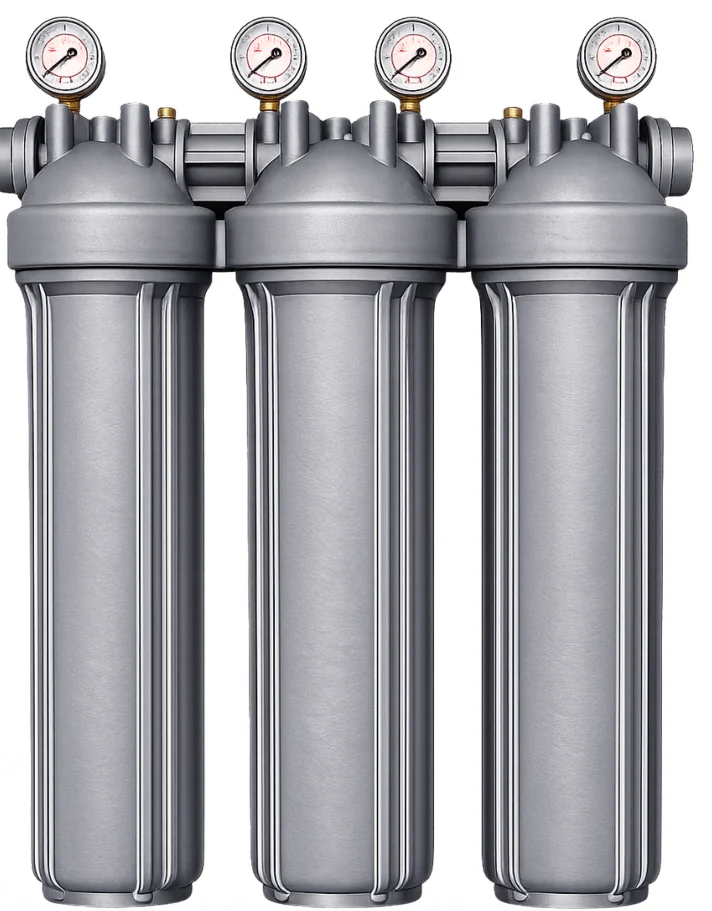
Three layers work together: NanoCarbon+ for particles and specified contaminant categories, ScaleArmor Carbon+ for chemical-reduction support and scale management, and a final catalytic carbon polishing stage.
The brochure recommends inspection and filter replacement typically every 12 to 24 months, depending on use and source-water quality. Laboratory performance figures refer to particular media and manufacturer references, not guaranteed whole-system outcomes.
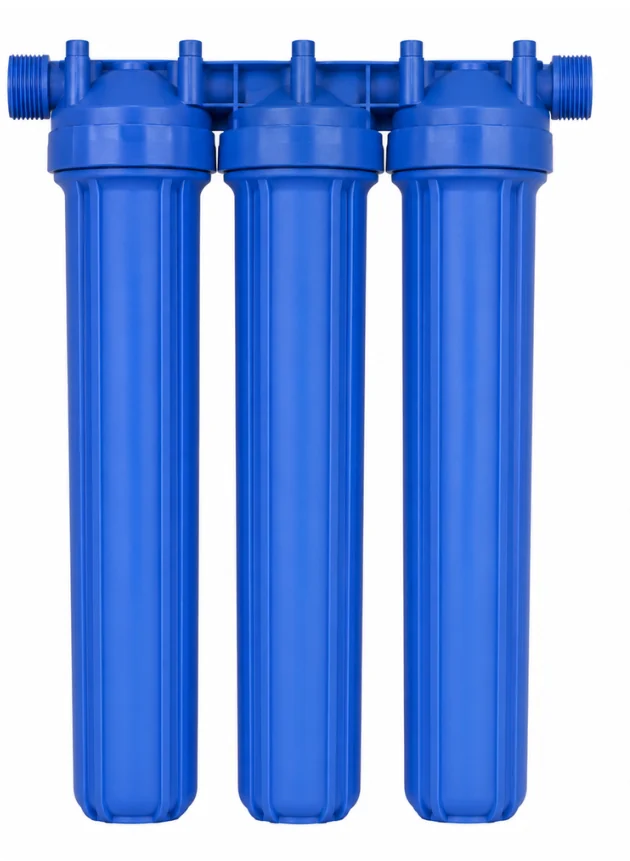
A smaller-format three-stage option using NanoCarbon+, ScaleArmor Carbon+, and a catalytic carbon finishing stage. It follows the same layered approach in a more compact housing design.
The brochure calls for replacement typically every 12 to 18 months. Its compact housing is not an automatic fit for every property: available flow and pressure need to be checked, particularly for a business.
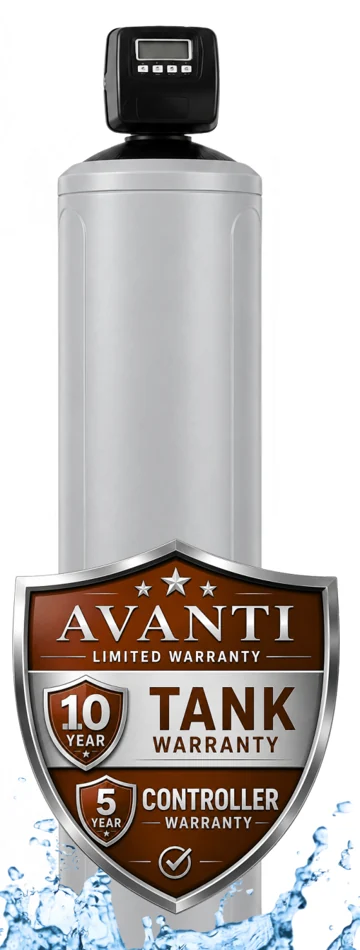
A tank-based approach that uses a gravel support bed, garnet media, KDF copper-zinc media, catalytic carbon, and salt-free scale-control media. The layered bed is intended to provide contact time and support treatment across several water concerns.
The manufacturer lists long media-life potential under specified conditions, but real service life depends on source water, usage, and maintenance. Steve should verify capacity, backwashing or service needs, connections, and installation clearance for a particular property.
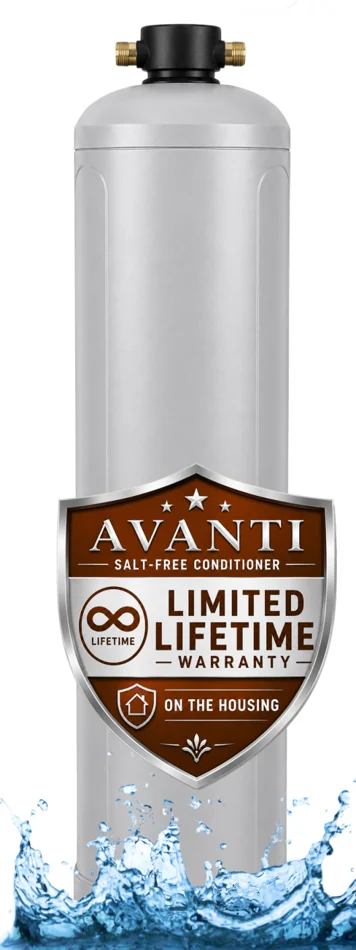
For properties primarily concerned about deposits on plumbing and equipment, this option uses polyphosphate-based media to help inhibit scale formation without salt bags or regeneration cycles.
It is not a water softener. It does not remove calcium or magnesium, lower hardness readings, or significantly reduce total dissolved solids. The brochure suggests service media replacement about every 5 to 7 years, subject to conditions and use.
In the three-stage AVANTI configurations, the water passes through a series of filtration media instead of relying on a single cartridge to address every concern.
A system can combine particle capture, chemical-reduction media, scale-control support, and a final finishing stage. Which claims apply to your installation should always be checked against the selected equipment and documented testing.
These options are designed for one sink or drinking-water outlet. They are not substitutes for treating an entire property.
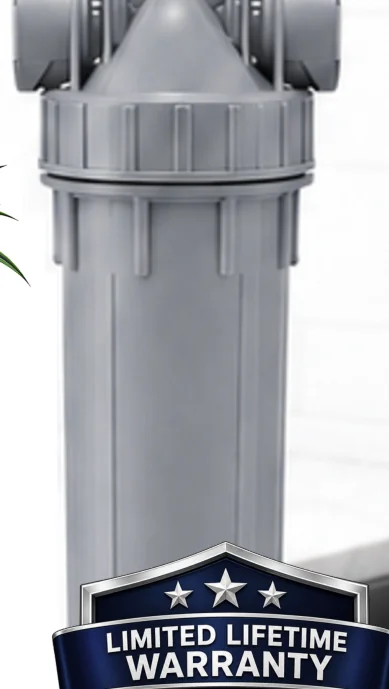
Compact filtration connecting to an existing kitchen faucet. The brochure describes dual-media filtration without electricity, a holding tank, or wastewater during operation.
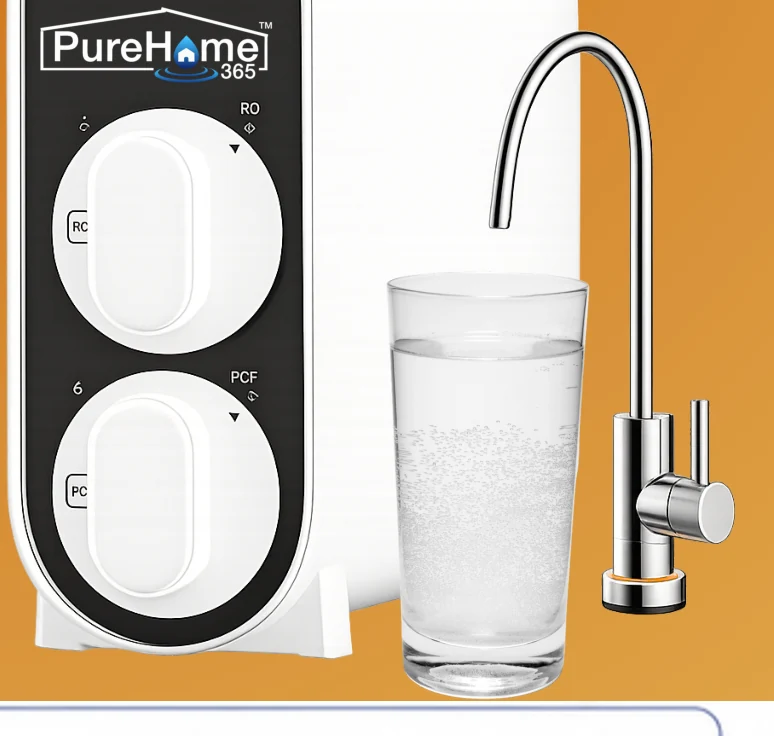
Dedicated drinking-water treatment, including reduction of dissolved solids. The supplied brochure lists up to 600 gallons per day under rated conditions, along with wastewater during operation.
Performance and replacement intervals in manufacturer brochures depend on source water, pressure, temperature, usage, and maintenance. Confirm actual system testing and current specifications before relying on a specific contaminant-reduction claim.
Steve's approach starts with the property, not a preset package. If needed, water testing helps determine which contaminants or water conditions a system should actually address.
Municipal water and well water can call for very different filtration decisions.
Enough capacity matters at busy times, especially when multiple fixtures run together.
Access to the incoming water line, drainage where applicable, and room to service the equipment.
Realistic filter replacement schedules and the cost of keeping the system performing well.
Tell Steve how to reach you. He'll follow up personally to arrange a one-on-one conversation, answer questions, and help you understand the options.